
Succession Advisory for Industrial Businesses — Buyers and Sellers
You spent decades building something worth owning. Getting full value for it — on your terms — takes the same care you put into building it. Holdfast Advisory works on the owner's side of the table, helping manufacturing and industrial products and services businesses prepare for what comes next — whether you're planning a sale, navigating a transition, or stepping into an acquisition.

Advisory Services Across the Full Ownership Lifecycle
Each engagement is independent and owner-elected. We work on the owner's side of the table — never as a broker, never on the transaction. Our fees are tied to operational performance, not deal activity.
The foundation of everything. We conduct a thorough business assessment, then work alongside you for twelve months to address the operational, financial, and documentation gaps that suppress value at the time of sale. The goal is a business that can be sold on your terms — at a price that reflects what you actually built.
When your business goes to market, the broker manages the transaction. We stay in our lane — no involvement in buyer selection, pricing, or deal terms. What we provide is operational continuity: helping you respond to diligence accurately, prepare for management presentations, and protect the business narrative we spent twelve months building together.
The first six months after close are the highest-anxiety period of any acquisition. The broker has moved on. The seller's advisors are done. The lender wants covenant compliance. We offer new owners direct access to the people who spent twelve months making this business buyer-ready — providing operational continuity through the transition and protecting the debt service coverage that makes the deal work.
Latest News & Blog Posts
Contact Us
Interested in working together? Fill out some info and we will be in touch shortly. We can’t wait to hear from you!
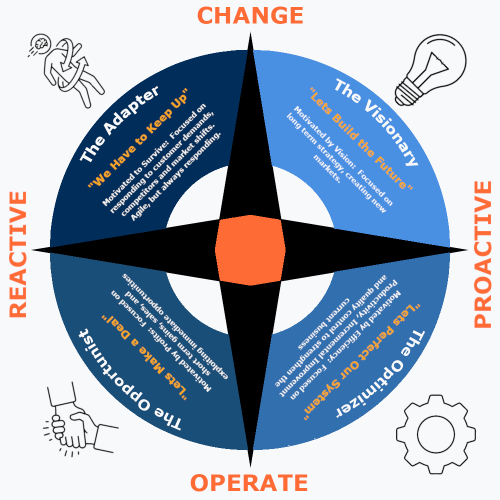
Let's be honest about how traditional maintenance works in most shops. We operate in one of two modes:
1. Reactive ("Run-to-Failure"): This is chaos. A machine breaks, production stops, and everyone scrambles. It’s the most expensive way to run a business, period. You pay for overtime labor, expedited parts, and lost revenue.
2. Preventive (Calendar-Based): This feels more responsible, but it’s incredibly inefficient. You replace a spindle bearing every 2,000 hours because that's what the manual says. The problem? That bearing might have had another 1,000 hours of perfectly good life left in it. You just threw away a good part and paid a technician to do it.
This "just-in-case" approach to maintenance is a drag on your finances. It inflates your COGS with unnecessary parts and labor, ties up cash in your spare parts inventory, and still doesn’t prevent every failure. Why? Because a calendar doesn't know if you were running tough-to-machine alloys last month or if a new operator is pushing the machine harder. It’s a guess. A costly one.